Essential Guide to Choosing Effective Whiteners for 2026
In the quest for a dazzling smile, the importance of choosing the right whitening products cannot be overstated. As we approach the year 2026, the market continues to evolve with innovations and advancements in dental care. This guide aims to equip you with the essential knowledge needed to select effective whiteners that not only enhance your smile but also maintain your oral health.
Understanding Different Types of Whiteners
There are several types of whitening products available, each with its unique formulation and application method. The most common types include whitening toothpastes, over-the-counter whitening strips, and professional whitening treatments offered by dental practitioners.
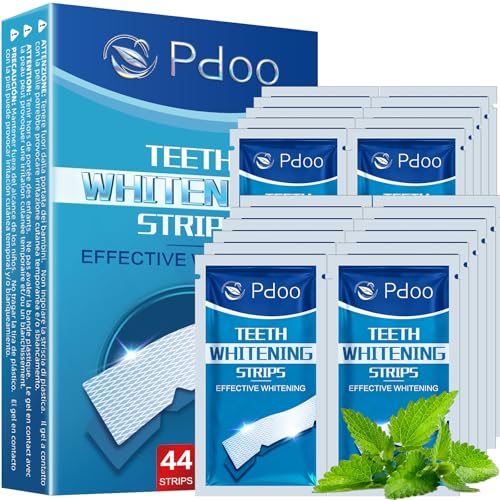
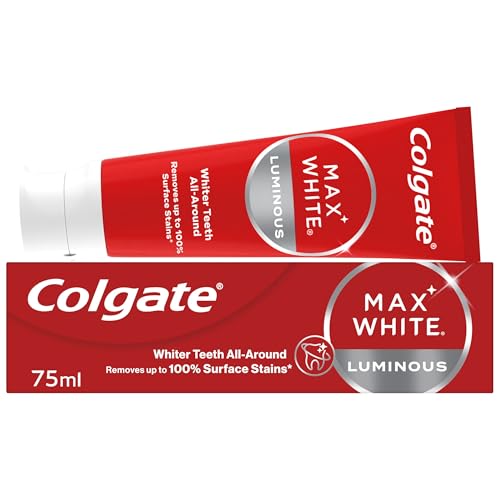
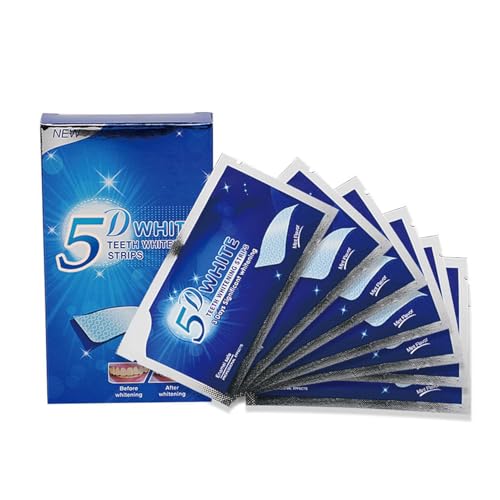
Whitening toothpastes are typically formulated with mild abrasives and chemical agents that help remove surface stains. While they can provide some degree of whitening, the results are often subtle compared to other options. Over-the-counter whitening strips usually contain peroxide and are designed for more noticeable results. These strips are easy to use and can be applied at home, making them a popular choice among consumers.
Professional whitening treatments, on the other hand, are performed by dental professionals and offer the most significant and immediate results. These treatments often utilise stronger concentrations of whitening agents and can be customised to suit individual needs. Understanding these options is crucial to making an informed decision.
Key Ingredients to Look For
When selecting a whitening product, it is essential to pay attention to the active ingredients. Common whitening agents include hydrogen peroxide and carbamide peroxide, both of which are effective in breaking down stains and discolouration on teeth. Hydrogen peroxide is often used in higher concentrations in professional treatments, while carbamide peroxide is generally found in over-the-counter products.
People Also Look For:
- Teeth Whitening Strips 22 Treatments for Sensitive Teeth
- Advance White Pro Toothpaste, Baking Soda Whitening, 75ml Tube
- Oral-B Pro-3D White Intensive Whitening Toothpaste, 75ml
- Teeth Whitening Strips, 14 Treatments, Enamel-Safe, No-Sensitivity
- Aquasonic Black Series Ultra Whitening Toothbrush, 8 Brush Heads
Additionally, some formulations incorporate desensitising agents like potassium nitrate or fluoride. These ingredients can help minimise sensitivity, which is a common side effect of whitening treatments. If you have sensitive teeth, prioritising products with these soothing components can enhance your experience.
Assessing Sensitivity and Safety
Prior to choosing a whitening product, it is important to assess your dental sensitivity. Individuals with pre-existing sensitivity may need to proceed with caution when selecting a whitening product. Many brands now offer options specifically designed for sensitive teeth, allowing users to achieve whiter smiles without the discomfort often associated with traditional whitening methods.
Safety is another critical factor to consider. The whitening industry is regulated, but not all products are created equal. Look for products that have received endorsements or approvals from dental associations. This can provide reassurance that the product has been tested for safety and efficacy.
Application Methods and Duration
The method of application and the duration of use are also vital considerations. Some products may require daily application over a period of weeks, while others offer fast results within a single treatment session. Assess your lifestyle and choose a product that fits seamlessly into your routine. For those seeking quick results before an event, professional treatments may be the best option, while others may prefer the convenience of at-home solutions.
Furthermore, consider the duration of the whitening effects. Some products promise longer-lasting results, while others may require maintenance treatments to sustain the desired level of whiteness. Understanding the longevity of each option can help you make a more informed choice.
Consulting Dental Professionals
Before embarking on any whitening journey, consulting with a dental professional is highly recommended. Dentists can provide personalised advice based on your specific dental health and aesthetic goals. They can also evaluate the condition of your teeth and gums to determine the most suitable whitening method.
In addition, a dental professional can offer professional-grade products that may not be available over-the-counter. These options often provide superior results and are tailored to your individual needs. Engaging with a dentist can ensure that your whitening experience is both effective and safe.
As we look towards 2026, the landscape of teeth whitening continues to expand, offering more options than ever before. With this guide, you are equipped with the knowledge to navigate the myriad choices available and select the right products for your journey to a brighter smile.